Home Of Cast Iron Radiators, Fireplaces & Stoves
Home Of Cast Iron Radiators, Fireplaces & Stoves
Home Of Cast Iron Radiators, Fireplaces & Stoves
Home Of Cast Iron Radiators, Fireplaces & Stoves
If your radiator isn't heating up properly, you're not alone, and you're definitely not the first to feel frustrated by it. Cold spots, lukewarm radiators or rooms that just won't warm up can be a common issue, especially during the colder months when your heating system is working hardest.
The good news is that many radiator heating problems are easy to identify and, in most cases, simple to fix. In this guide, we'll explain why radiators stop heating properly, what causes cold spots, and how you can get your heating system back to working efficiently.
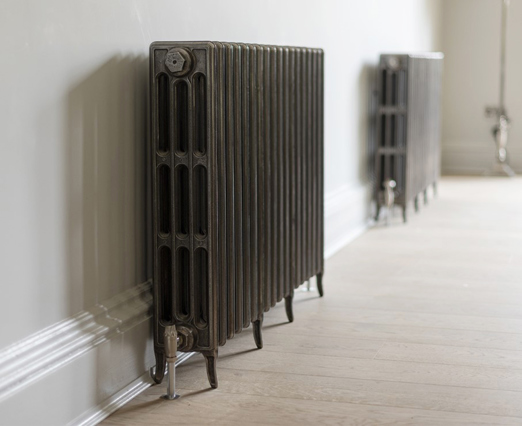
One of the most common reasons a radiator doesn't heat up properly is trapped air inside the system. Over time, air can build up in your radiators, preventing hot water from circulating evenly. This often causes cold spots, particularly at the top of the radiator, while the bottom may still feel warm. In many cases, bleeding your radiators is all it takes to restore even heat and improve how efficiently your system works.
Bleeding your radiators releases trapped air, allowing hot water to flow freely through the system again. This helps your radiators heat up evenly, improves overall heating efficiency, and can even help reduce energy bills by making your system not work as hard.
If you notice cold spots, gurgling noises, or radiators that take a long time to warm up, it's a good sign that bleeding your radiators could solve the issue. Regular radiator bleeding is an important part of heating system maintenance and is especially useful at the start of the heating season.
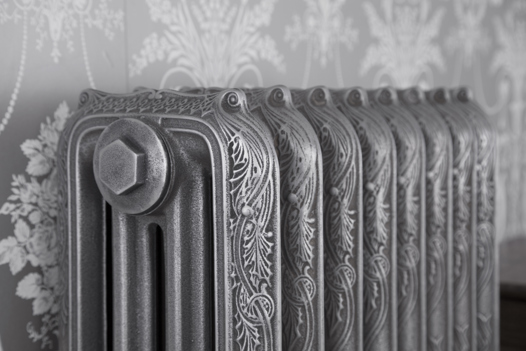
Bleeding a radiator is a straightforward job that doesn't require specialist knowledge.
Here's how to do it safely and effectively.
What you'll need:
Step 1: Turn off your heating
Switch off your central heating and allow the radiators to cool. This prevents hot water from spraying out and ensures air has risen to the top of the radiator.
Step 2: Locate the bleed valve
Find the bleed valve at the top of the radiator. It's usually a small square valve at one end.
Step 3: Insert the bleed key
Place the radiator key into the valve and turn it slowly anti-clockwise. You should hear a hissing sound as trapped air escapes - this is the air leaving the system.
Step 4: Release the air
Hold a cloth or small container underneath the valve. Once the hissing stops and water begins to trickle out, turn the valve back clockwise to close it.
Finally, sit back and enjoy the warmth of your radiator!
For a visual guide, watch our step-by-step radiator bleeding video here.
If bleeding your radiators doesn't resolve the problem, and your radiator still isn't heating up properly, the issue could be related to balancing, sludge buildup or your heating system itself. In this case, it's best to consult a qualified heating engineer.
It's a small job that can make a big difference, and your future, cosy self will definitely thank you when the temperature drops!
< Back To Blog